We’ve been hearing the same question from a lot of homeowners this winter, “Why is my gas bill so much higher this year?” You’re not imagining it. Several factors are working together, and colder weather is at the center of it. Let’s break down what’s happening and why your heating system is using more gas this winter.
It’s Colder This Winter Than Last
Cold winters are nothing new in Alaska, but not every winter is the same. The intensity and length of cold periods play a big role in overall heating demand.
During the 2024–25 winter season, parts of Alaska, including Southcentral regions, experienced stretches of milder-than-normal temperatures. Those warmer periods reduced how often heating systems needed to run and helped keep overall gas usage lower for many households.
This winter has been different. January 2026 brought colder-than-average conditions across much of Alaska, along with prolonged cold snaps and record snowfall in Anchorage. Even in a place where winter cold is expected, longer-lasting and deeper cold increases the total demand for heat across the season.
Cold Weather Drives Higher Gas Usage
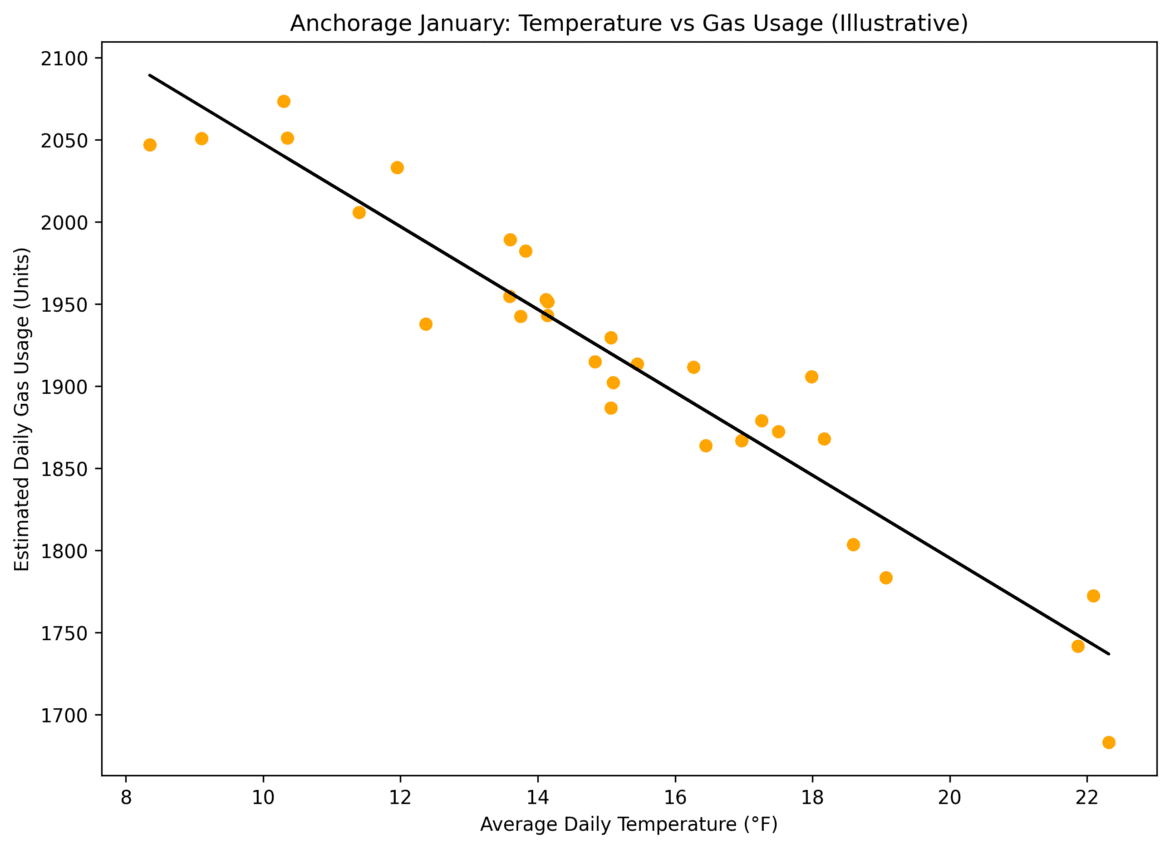
Once temperatures stay lower for longer, the impact shows up inside your home.
When it’s colder outside, your home loses heat faster. To keep indoor temperatures steady, your heating system has to run longer and cycle more frequently. That added runtime means more natural gas is being burned day after day.
In a climate like Anchorage, this effect compounds quickly. Even a few degrees colder on average, spread over weeks, can significantly increase how much gas your system uses over the course of a winter. That’s why higher bills can happen even when thermostat settings stay the same.
Gas Supply and Pricing Also Play a Role
Cold weather doesn’t just affect how often your heating system runs. It also affects the natural gas market as a whole.
When large regions experience extended cold, demand for natural gas increases across the board. Homes, businesses, and utilities all need more fuel at the same time to keep buildings heated. That surge in demand puts added pressure on supply systems, including production, storage, pipelines, and distribution.
During colder winters, utilities may need to pull more gas from storage or secure additional supply to meet demand. When demand rises faster than supply can adjust, pricing pressure can follow. Even modest increases in gas costs can become more noticeable when combined with higher overall usage.
Here’s What You Can Do
While you can’t control the weather, there are ways to manage how much gas your home uses:
- Be consistent with your thermostat: Avoid large temperature swings throughout the day. Cranking the heat up and down forces your system to work harder and longer to recover. Small, steady adjustments are usually more efficient than big changes.
- Seal drafts and address insulation gaps: Drafty doors, windows, and poorly insulated areas increase heat loss and make your heating system run more often.
- Keep up with heating system maintenance: A well-maintained furnace or boiler runs more efficiently and avoids unnecessary fuel waste during peak winter demand.
The Bottom Line
Higher gas bills this winter are not a coincidence. Colder weather means your heating system has to work harder and run longer, which requires more fuel. At the same time, widespread cold increases demand for natural gas, which can also influence pricing.
If you have questions about your heating system’s performance, efficiency improvements, or ways to better manage winter heating costs, our team is here to help.