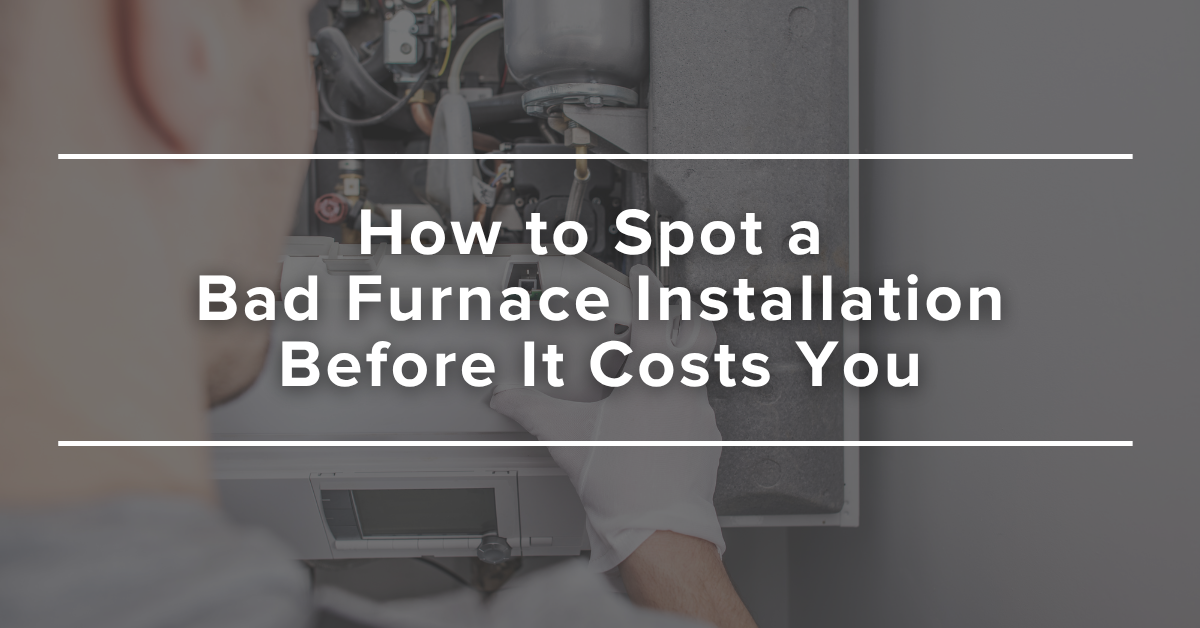
A new furnace is a big investment, and when you’re spending that kind of money, you want to feel confident the job was done right.
The tricky part? A bad furnace installation doesn’t always announce itself right away. Your furnace may turn on, produce heat, and seem fine at first. But if the system wasn’t properly sized, connected, vented, adjusted, and tested, small issues can quietly build over time.
Over the years, we’ve seen plenty of heating problems that didn’t start with the furnace itself. Sometimes, the equipment is fine, but something about the installation wasn’t handled properly which can lead to uneven heat, higher energy bills, early breakdowns, ongoing furnace repair, and even safety concerns.
Before you schedule a furnace installation in Anchorage or anywhere across Alaska, it helps to know what a quality job should include and what warning signs to watch for. A little knowledge upfront can save you a lot of stress, money, and cold nights later.
A New Furnace Is Only as Good as the Install
A furnace isn’t something you just plug in and call it good. It’s part of a larger heating system that includes your ductwork, thermostat, vents, gas line, electrical connections, airflow, and home layout.
Even a high-quality new furnace can underperform if the installation is rushed or incomplete. It may still heat the home, but that doesn’t always mean it’s running safely, efficiently, or the way the manufacturer intended.
A good install should leave you with consistent heat, safe operation, proper airflow, and confidence that your system is ready for Anchorage winters and the cold months we see across Alaska.
What a Quality Furnace Install Should Include
A good furnace installation is about more than setting the equipment in place and making sure warm air comes out of the vents. The system needs to be installed, tested, and adjusted for your home so it can run safely and efficiently for years to come.
Here are a few things that should be part of a quality install:
- Proper furnace sizing: Bigger isn’t always better. The furnace should be sized for your home, layout, insulation, and heating needs so it doesn’t short cycle or struggle to keep up.
- A look at the ductwork: Your furnace relies on your ductwork to move air through the home. If the ducts are too small, leaky, poorly connected, or not bringing enough return air back to the system, even a brand-new furnace can have a hard time doing its job.
- Safe, correct venting: Furnaces need proper ventilation to operate safely. The venting should be matched to the equipment and installed in a way that supports safe, reliable operation.
- Gas pressure checks: Gas pressure helps determine whether the furnace is getting the right amount of fuel. This should be checked and adjusted as needed so the system can run safely and efficiently.
- Airflow and static pressure testing: Static pressure is the resistance your system is working against as it moves air through the home. If it’s too high, the furnace may be under strain even if it seems to be heating.
- Blower and system adjustments: Factory settings aren’t always the right fit for your home. A good install includes dialing in the system so it’s working with your ductwork, airflow, and comfort needs.
- Commissioning after installation: Commissioning means testing, measuring, and fine-tuning the system after it’s installed. It’s the difference between “the furnace turns on” and “the furnace has been verified to work the way it should.” For a deeper look at this process, check out this article on why commissioning matters in HVAC.
- A homeowner walkthrough: Before the job is wrapped up, you should understand how to use your thermostat, when to change the filter, what paperwork or warranty information matters, and who to call if something feels off.
That may sound like a lot, but that’s the point. A furnace installation is a major home investment, and the details matter. When these steps are skipped or rushed, the system may still work at first, but comfort issues, higher bills, or furnace repair needs can show up later.
Warning Signs Your Furnace Install May Be Causing Problems
Not every furnace issue means the installation was done poorly. Sometimes the problem is tied to maintenance, the age and layout of the home, thermostat settings, or wear and tear on other parts of the system. But if these problems show up after a furnace installation, or keep getting worse over time, they’re worth paying attention to.
Here are a few warning signs to watch for:
- Uneven heating throughout the home: Some rooms feel warm while others stay cold.
- The furnace turns on and off constantly: This is called short cycling, and it can put extra strain on the system.
- Your energy bills suddenly go up: A new furnace should usually help with efficiency, not make your heating costs climb for no clear reason.
- You hear strange noises: Loud banging, rattling, scraping, whistling, or booming sounds shouldn’t be ignored.
- The airflow feels weak: If there’s barely any air coming from the vents, the system may be working harder than it should.
- The thermostat doesn’t seem accurate: The temperature on the thermostat doesn’t match how the home actually feels.
- You notice unusual smells: A slight smell at first can be normal, but burning smells, gas odors, or strong chemical-like smells need attention right away.
- You need furnace repair sooner than expected: One repair may not mean much, but repeated issues with a newer system are worth looking into.
- You were never given a walkthrough: You should know how to use the thermostat, when to change the filter, what paperwork matters, and who to call if something feels off.
One of these signs on its own doesn’t always mean you have a bad install. But if your new furnace isn’t heating well, keeps acting up, or leaves you wondering whether something was missed, it’s a good idea to have it checked before a small issue turns into a bigger repair.
How to Choose the Right HVAC Company Before You Buy
Before you commit to a furnace installation, take a little time to look at the HVAC company behind the work. The lowest price can be tempting, but the cheapest option isn’t always the best value if it leads to problems later.
Look for a company that understands your climate, especially here in Alaska where reliable heat really matters. They should take time to evaluate your home, look at the full system, talk through your options, and explain why they’re recommending a specific furnace.
A good HVAC company should be able to answer questions like:
- How do you determine the right furnace size for my home?
- Will you evaluate my ductwork and return air?
- Will you check airflow and static pressure?
- Will gas pressure and venting be verified?
- Do you commission the system after installation?
- What’s included in the installation?
- What warranty comes with the equipment and labor?
- What should I expect after the installation is complete?
You don’t need to know every technical detail. That’s our job. But you should feel like the company is willing to explain the process, answer your questions, and help you understand what you’re paying for.
The right company won’t make you feel rushed or like you’re asking too many questions. They’ll test the system, show you how everything works, and stand behind the job after they leave.
Need Furnace Installation or Furnace Repair Help?
Whether you’re shopping for a new furnace, questioning a recent installation, or dealing with heating issues in your Anchorage-area home, Diamond Heating is here to help homeowners across Alaska make smart, confident decisions.
Don’t wait for a small issue to turn into a bigger repair. Schedule your furnace service today or call to talk with our team about the best next step for your home.